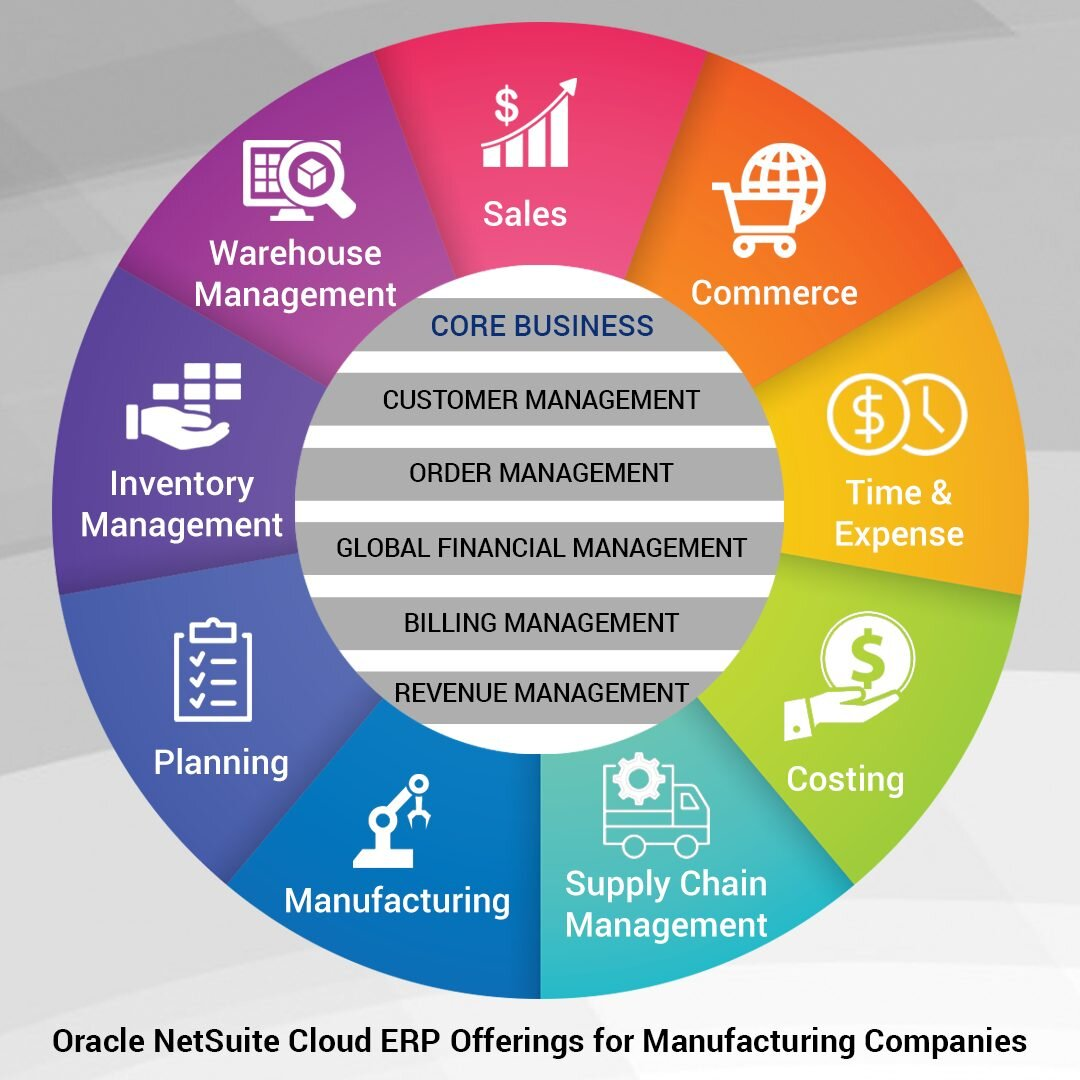
Welcome, manufacturing professionals! In today’s fast-paced and competitive market, it is essential for manufacturing companies to stay ahead of the game. One way to streamline operations, improve efficiency, and boost overall productivity is by incorporating Cloud ERP (Enterprise Resource Planning) systems. Cloud ERP offers numerous benefits such as real-time data access, increased scalability, cost-effectiveness, and enhanced security. Let’s explore the advantages of Cloud ERP for manufacturing companies and how it can help take your business to the next level.
Understanding Cloud ERP for Manufacturers
Cloud ERP (Enterprise Resource Planning) is a software solution that is hosted on remote servers and accessed through the internet. This technology allows manufacturers to streamline their operations, from planning and production to distribution and financial management, all in one integrated system. Traditional ERP systems require expensive hardware and software installations, as well as ongoing maintenance and upgrades, while cloud ERP offers a more cost-effective and flexible solution.
For manufacturers, cloud ERP provides numerous benefits, including improved efficiency, scalability, and accessibility. With cloud ERP, manufacturers can access real-time data and analytics from anywhere, at any time, using any device with an internet connection. This enables them to make better-informed decisions, increase productivity, and respond quickly to changes in the market.
One of the key features of cloud ERP for manufacturers is its ability to centralize and automate processes. By consolidating all of the company’s data and operations into a single system, cloud ERP eliminates the need for manual data entry and reduces the risk of errors. This leads to increased accuracy in inventory management, production planning, and financial reporting, which in turn can help manufacturers optimize their workflows and reduce costs.
Another advantage of cloud ERP for manufacturers is its ability to integrate with other business systems and applications. This seamless integration allows manufacturers to leverage their existing technology investments and improve collaboration between different departments and functions. For example, cloud ERP can be integrated with customer relationship management (CRM) software to provide a complete view of customer interactions and sales data, helping manufacturers better understand customer needs and preferences.
Furthermore, cloud ERP offers manufacturers the flexibility to scale their operations as needed. Whether a manufacturer is looking to expand into new markets, launch new products, or adapt to changes in demand, cloud ERP can easily accommodate these changes without the need for additional hardware or infrastructure investments. This scalability helps manufacturers stay competitive in a rapidly changing business environment and meet the evolving needs of their customers.
In conclusion, cloud ERP is a powerful tool for manufacturers looking to modernize their operations and stay ahead of the competition. By providing a comprehensive and flexible solution for managing all aspects of their business, cloud ERP helps manufacturers improve efficiency, streamline processes, and drive growth. With its numerous benefits and capabilities, cloud ERP is a valuable investment for manufacturers looking to optimize their operations and achieve long-term success in today’s fast-paced business world.
Benefits of Cloud ERP in the Manufacturing Industry
Cloud ERP, or Enterprise Resource Planning, is a software system that helps manufacturers manage their business processes such as accounting, inventory management, production planning, and supply chain operations in the cloud. The manufacturing industry is constantly evolving, and companies need to be agile and adaptable to stay competitive. Cloud ERP offers a number of benefits that can help manufacturers streamline their operations, improve efficiency, and drive growth. Let’s take a closer look at some of the key advantages of using Cloud ERP in the manufacturing industry.
1. Cost-Effective Solution: Implementing a Cloud ERP system can be more cost-effective for manufacturers compared to traditional on-premise systems. With cloud ERP, manufacturers don’t have to invest heavily in hardware, software licenses, or IT infrastructure. Instead, they can simply pay a monthly subscription fee based on the number of users and the features they need. This makes it easier for manufacturers to budget for their ERP system and avoid any unexpected costs.
2. Scalability and Flexibility: One of the biggest advantages of Cloud ERP for manufacturers is its scalability and flexibility. As businesses grow and evolve, their ERP system needs to be able to grow with them. Cloud ERP systems are designed to be highly scalable, which means they can easily accommodate an increase in users, transactions, and data without any major system overhaul. This flexibility allows manufacturers to adapt to changing market conditions, new product launches, and business expansions without any disruptions to their operations.
3. Improved Collaboration and Communication: Cloud ERP systems enable real-time collaboration and communication among different departments, suppliers, and partners. Manufacturers can access up-to-date information from anywhere, at any time, and on any device. This leads to better decision-making, increased productivity, and enhanced customer service. With everyone working from the same data set, there is less room for error and miscommunication, which ultimately leads to faster and more accurate results.
4. Enhanced Security and Data Protection: Data security is a top priority for manufacturers, especially when it comes to sensitive information like customer data, intellectual property, and financial records. Cloud ERP providers invest heavily in security measures to protect their customers’ data from unauthorized access, breaches, and cyber threats. Manufacturers can also benefit from automatic system updates, data backups, and disaster recovery plans that ensure their critical business data is safe and secure at all times.
5. Simplified Compliance and Regulations: The manufacturing industry is highly regulated, with strict compliance standards and guidelines that companies must adhere to. Cloud ERP systems can help manufacturers streamline their compliance efforts by providing tools and features that make it easier to monitor, track, and report on regulatory requirements. This can save manufacturers time and resources, reduce the risk of penalties or fines, and ensure that they are always in compliance with the latest industry regulations.
In conclusion, Cloud ERP offers numerous benefits for manufacturers in the ever-evolving manufacturing industry. From cost-effectiveness and scalability to improved collaboration and security, Cloud ERP can help manufacturers streamline their operations, increase efficiency, and drive growth. By leveraging the power of Cloud ERP, manufacturers can stay ahead of the competition and adapt to changes in the market with ease.
Key Features to Look for in Cloud ERP Systems
When it comes to selecting a cloud ERP system for manufacturers, there are a few key features to keep in mind. These features can help to streamline operations, improve efficiency, and ultimately boost the bottom line. Here are three important features to look for when evaluating different cloud ERP systems:
1. Scalability
One of the most important features to look for in a cloud ERP system is scalability. As your manufacturing business grows, you need a system that can easily grow with you. This means being able to add users, modules, and capabilities without having to completely overhaul your ERP system. Look for a cloud ERP system that offers flexible pricing options and the ability to easily scale up or down as needed.
2. Data Security
Another critical feature to consider when evaluating cloud ERP systems for manufacturers is data security. Manufacturing companies often deal with sensitive and confidential information, such as product designs, customer data, and financial information. It is essential that your cloud ERP system has robust security measures in place to protect this data. Look for features such as data encryption, regular security audits, and role-based access control to ensure that your information remains safe and secure.
3. Integration Capabilities
Integration capabilities are another key feature to look for in a cloud ERP system for manufacturers. Your ERP system should be able to seamlessly integrate with other essential systems and applications, such as inventory management, CRM, and e-commerce platforms. This integration is crucial for ensuring that all of your systems work together harmoniously and that data can flow seamlessly between them. Look for a cloud ERP system that offers a wide range of integration options and has a proven track record of successful integrations with other systems.
Ultimately, the key features to look for in a cloud ERP system for manufacturers will depend on the specific needs and goals of your business. However, scalability, data security, and integration capabilities are three essential features that can help you to ensure that you select a system that will meet your needs both now and in the future.
Implementing Cloud ERP for Improved Efficiency
Cloud ERP systems have revolutionized the way manufacturers operate by providing real-time data accessibility, streamlined processes, enhanced collaboration, and improved efficiency. The implementation of a cloud ERP system can be a game-changer for manufacturers looking to stay competitive in today’s fast-paced business environment. Here are four key steps to successfully implementing cloud ERP for improved efficiency:
1. Define Your Goals and Objectives: Before implementing a cloud ERP system, manufacturers need to clearly define their goals and objectives. This includes identifying pain points in their current processes, understanding the desired outcomes, and setting measurable goals for improving efficiency. By having a clear roadmap in place, manufacturers can ensure that the implementation of the cloud ERP system aligns with their business objectives.
2. Select the Right Cloud ERP Provider: Choosing the right cloud ERP provider is crucial for a successful implementation. Manufacturers should look for a provider that offers a customizable solution tailored to their specific needs, industry requirements, and scalability. It is essential to partner with a reputable provider that has a proven track record of delivering reliable cloud ERP solutions and excellent customer support.
3. Plan a Smooth Transition: Transitioning to a cloud ERP system can be a daunting task, but with careful planning and execution, manufacturers can minimize disruptions and ensure a smooth transition. This includes creating a detailed implementation plan, assigning dedicated resources for training and support, and communicating effectively with employees about the upcoming changes. It is important to involve key stakeholders from different departments in the planning process to ensure a successful transition.
4. Provide Ongoing Training and Support: Implementing a cloud ERP system is not a one-time event but an ongoing process. To fully leverage the benefits of the system and improve efficiency, manufacturers need to provide ongoing training and support to their employees. This includes offering training sessions, workshops, and resources to help employees understand the system, use it effectively, and troubleshoot any issues that may arise. By investing in continuous training and support, manufacturers can ensure that their employees are equipped with the knowledge and skills needed to maximize the efficiency of the cloud ERP system.
In conclusion, implementing a cloud ERP system for improved efficiency requires careful planning, the right provider selection, smooth transition execution, and ongoing training and support. By following these key steps, manufacturers can reap the benefits of a cloud ERP system and stay ahead of the competition in today’s rapidly evolving manufacturing landscape.
Overcoming Challenges in Adopting Cloud ERP for Manufacturers
Implementing a cloud ERP system for manufacturing can bring a host of benefits, including increased efficiency, improved collaboration, and real-time data access. However, there are certain challenges that manufacturers may face when adopting a cloud ERP solution. Here are five key obstacles and how to overcome them:
1. Resistance to Change: One of the biggest challenges in adopting cloud ERP for manufacturers is resistance to change. Employees may be comfortable with their current processes and systems, and may be hesitant to embrace a new way of doing things. To overcome this challenge, it is important to involve employees in the decision-making process and provide training and support to help them adapt to the new system.
2. Integration with Existing Systems: Another challenge in adopting cloud ERP for manufacturers is the integration with existing systems. Manufacturers may already have a variety of systems in place, and ensuring that the cloud ERP system can seamlessly integrate with these systems can be a complex task. To overcome this challenge, it is important to work closely with the ERP provider and IT team to evaluate the compatibility of the systems and develop a plan for integration.
3. Data Security Concerns: Data security is a major concern for manufacturers considering cloud ERP adoption. The idea of storing sensitive manufacturing data in the cloud can be daunting, especially in industries with strict compliance requirements. To address this challenge, choose a reputable cloud ERP provider with strong security measures in place, such as encryption and regular security audits.
4. Cost Concerns: Cost is another common challenge in adopting cloud ERP for manufacturers. Some manufacturers may be hesitant to invest in a new system, especially if they are unsure of the return on investment. To overcome this challenge, conduct a cost-benefit analysis to demonstrate the potential savings and efficiencies that can be gained from implementing a cloud ERP system.
5. Lack of Customization: One of the challenges that manufacturers may face when adopting a cloud ERP system is the lack of customization options. Some cloud ERP solutions may offer a one-size-fits-all approach, which may not fully address the unique needs and processes of a manufacturing company. To overcome this challenge, choose a cloud ERP provider that offers customization options or work with a third-party provider to tailor the system to suit your specific requirements.
In conclusion, while there are challenges in adopting cloud ERP for manufacturers, these obstacles can be overcome with careful planning, communication, and collaboration. By addressing these challenges proactively, manufacturers can unlock the full potential of a cloud ERP system and position themselves for success in the digital age.
Originally posted 2025-01-28 15:00:00.