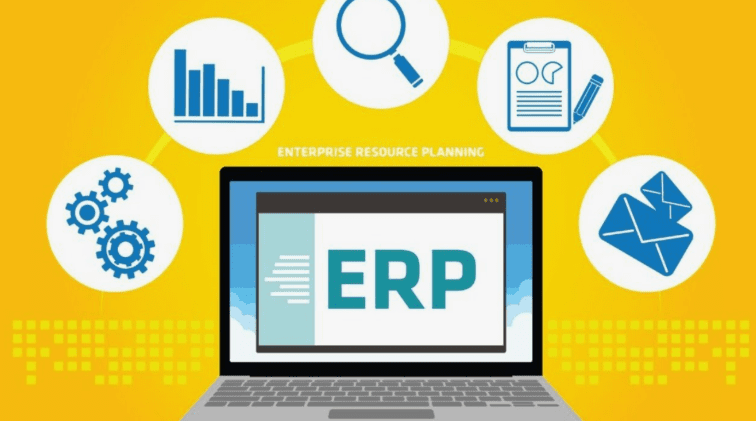
Welcome, business owners and entrepreneurs! In today’s rapidly changing landscape, the need for modernizing business operations is more critical than ever. One powerful tool that has been revolutionizing the way businesses operate is cloud-based custom ERP systems. These systems offer flexibility, scalability, and efficiency, allowing companies to streamline processes, improve decision-making, and stay competitive in the market. Let’s explore the transformative power of cloud-based custom ERP systems and how they can take your business to the next level.
Advantages of Custom ERP Systems
Custom ERP systems offer a wide range of benefits for businesses looking to streamline their operations and improve efficiency. One of the major advantages of custom ERP systems is the ability to tailor the system to meet the specific needs of the organization. Off-the-shelf ERP systems may come with a range of features, but they are often designed to cater to a broad audience and may not fully meet the unique requirements of individual businesses. Custom ERP systems, on the other hand, can be developed to align perfectly with the workflows and processes of a particular company, ensuring that every aspect of the system is optimized for maximum efficiency.
Another key advantage of custom ERP systems is the ability to integrate with existing systems and processes seamlessly. One of the biggest challenges businesses face when implementing new software is ensuring that it works well with their existing systems and doesn’t disrupt day-to-day operations. Custom ERP systems can be designed to work harmoniously with existing software and infrastructure, minimizing downtime and ensuring a smooth transition to the new system.
Custom ERP systems also offer greater flexibility and scalability compared to off-the-shelf solutions. As businesses grow and evolve, their requirements for an ERP system may change. With a custom ERP system, businesses can easily add or modify features as needed to accommodate their changing needs. This flexibility allows businesses to adapt quickly to new challenges and opportunities without the need for a complete system overhaul.
Moreover, custom ERP systems can help businesses improve decision-making and drive strategic growth. By providing real-time insights and analytics, custom ERP systems allow businesses to make informed decisions based on accurate data. This visibility into key performance indicators can help businesses identify trends, opportunities, and potential risks, enabling them to make proactive decisions that drive growth and profitability.
Finally, custom ERP systems can provide a competitive advantage for businesses in today’s fast-paced and competitive market. By optimizing workflows, automating processes, and improving data accuracy, custom ERP systems can help businesses operate more efficiently and effectively. This efficiency can lead to cost savings, improved customer satisfaction, and a stronger position in the market.
In conclusion, custom ERP systems offer a range of advantages for businesses looking to improve their operations and drive growth. From tailored solutions to seamless integration and improved decision-making, custom ERP systems can help businesses stay ahead of the competition and achieve their strategic goals.
Considerations for Implementing a Custom ERP System
When considering implementing a custom ERP system for your business, there are various important considerations to keep in mind. One key aspect to consider is the budget for the project. Custom ERP systems can be costly, so it’s essential to have a clear understanding of your budget constraints before moving forward with implementation. You will need to account for not only the initial development costs but also ongoing maintenance and upgrades. It’s crucial to work closely with your IT team or a reputable ERP provider to create a realistic budget that aligns with your business goals and needs.
Another important consideration is the timeline for implementing a custom ERP system. It’s essential to establish a realistic timeline that allows for proper planning, development, and testing. Rushing the implementation process can lead to errors, system failures, and a poor user experience. On the other hand, dragging out the implementation can result in increased costs and delayed benefits. It’s vital to strike a balance between efficiency and thoroughness when setting a timeline for your custom ERP system implementation.
Furthermore, it’s crucial to consider the scalability of your custom ERP system. Your business is constantly evolving, and your ERP system should be able to grow and adapt along with it. Make sure to discuss scalability options with your ERP provider and consider factors such as the ability to add new modules, integrate with third-party applications, and support increased user and data loads. A scalable custom ERP system will help future-proof your business and ensure that your system remains effective in the long run.
Additionally, data security is a critical consideration when implementing a custom ERP system. Your ERP system will house sensitive business data, including financial information, customer details, and more. It’s essential to prioritize data security throughout the implementation process by implementing robust security measures, encryption protocols, and access controls. Work closely with your IT team to conduct regular security audits and ensure that your custom ERP system meets industry standards for data protection.
Lastly, it’s essential to consider the user experience when implementing a custom ERP system. A user-friendly interface and intuitive features are key to maximizing user adoption and ensuring a successful implementation. Conduct user testing sessions, gather feedback from employees, and make necessary adjustments to streamline the user experience. Training and support resources should also be readily available to help users navigate the new system effectively. Prioritizing the user experience will help drive employee engagement and productivity with your custom ERP system.
Cost Benefits of a Cloud-Based Custom ERP Solution
When it comes to implementing an Enterprise Resource Planning (ERP) system for your business, one of the top considerations is the cost. Custom ERP systems offer a variety of cost benefits, especially when they are cloud-based. Let’s dive deeper into the reasons why a cloud-based custom ERP solution can be more cost-effective in the long run.
1. Reduced Initial Investment: One of the most significant cost benefits of a cloud-based custom ERP solution is the reduced initial investment. Traditional ERP systems often require a large upfront investment in hardware, software, and implementation costs. With a cloud-based solution, you can eliminate the need for expensive on-premise servers and infrastructure, significantly reducing your initial costs. This allows businesses to allocate their budget more efficiently and invest in other areas of the business.
2. Lower Maintenance and Upgrade Costs: Another cost-saving benefit of a cloud-based custom ERP solution is lower maintenance and upgrade costs. With traditional on-premise ERP systems, businesses are responsible for managing and maintaining their own servers, databases, and software. This can be a costly and time-consuming process, requiring businesses to hire IT staff or consultants to handle maintenance and upgrades. On the other hand, cloud-based ERP systems are managed and maintained by the service provider, reducing the burden on the business and eliminating the need for expensive maintenance contracts.
3. Scalability and Flexibility: One of the key advantages of a cloud-based custom ERP solution is its scalability and flexibility. Cloud-based ERP systems allow businesses to easily scale their system up or down depending on their changing needs. This means that businesses can adjust their system to accommodate growth or fluctuations in demand without incurring significant additional costs. Additionally, cloud-based ERP systems often offer flexible pricing models, allowing businesses to pay only for the resources and features they need. This flexibility can result in cost savings over time, as businesses can tailor their ERP system to meet their specific requirements without paying for unnecessary features or resources.
In conclusion, a cloud-based custom ERP solution offers a variety of cost benefits for businesses looking to implement an ERP system. From reduced initial investment and lower maintenance costs to scalability and flexibility, cloud-based ERP systems can help businesses save money and allocate their resources more effectively. By choosing a cloud-based custom ERP solution, businesses can streamline their operations, improve efficiency, and ultimately boost their bottom line.
How to Choose the Right Custom ERP System for Your Business
Choosing a custom ERP system for your business is a crucial decision that can have a significant impact on your operations and productivity. With so many options available in the market, it can be overwhelming to make the right choice. Here are some key factors to consider when selecting the right custom ERP system for your business:
1. Define Your Business Needs: Before you start looking for a custom ERP system, it is important to identify and define your business needs. Evaluate your current processes, workflows, and pain points to determine what features and functionalities you require in an ERP system. Consider factors such as scalability, integration capabilities, reporting tools, and user experience.
2. Set a Budget: Custom ERP systems can vary significantly in cost, depending on the features and customization options. It is essential to set a realistic budget for your ERP implementation and stick to it when evaluating different solutions. Consider the long-term ROI of the system and factor in costs such as training, maintenance, and upgrades.
3. Research Vendors: Once you have a clear understanding of your business needs and budget, research different ERP vendors in the market. Look for vendors with a proven track record of successful implementations in your industry and check for reviews and references from other clients. Consider factors such as vendor reputation, support services, and future development plans.
4. Evaluate Customization Options: When choosing a custom ERP system, it is essential to consider the level of customization options available. A one-size-fits-all solution may not meet all your unique business requirements, so look for a system that allows for easy customization and integration with your existing systems. Consider factors such as scalability, flexibility, and ease of customization when evaluating ERP solutions.
5. Consider Integration Capabilities: An ERP system is a central component of your business operations and needs to seamlessly integrate with other systems, such as CRM, accounting, and inventory management software. Look for an ERP system that offers robust integration capabilities and provides APIs for connecting with third-party applications. Consider the ease of integration and the potential impact on your workflows.
6. Evaluate User Experience: The success of an ERP system implementation depends on user adoption and satisfaction. Consider the user experience of the ERP system, including the interface design, ease of navigation, and accessibility on different devices. Look for a system that provides intuitive user interfaces and training resources to help your employees quickly adapt to the new system.
7. Plan for Scalability: As your business grows and evolves, your ERP system needs to be able to scale with your operations. Consider the scalability of the ERP system in terms of the number of users, transactions, and data volume. Look for a system that can easily accommodate growth and expansion without requiring significant reconfiguration or upgrades.
By considering these key factors when choosing a custom ERP system for your business, you can ensure that you select a solution that meets your unique needs and drives efficiency and productivity in your organization.
Tips for Maximizing the Efficiency of Your Custom ERP System
Implementing a custom ERP system for your business is a significant investment, so it’s important to ensure that you are maximizing its efficiency and getting the most value out of it. Here are some tips to help you achieve that:
1. Regular Training and Education: One of the key ways to maximize the efficiency of your custom ERP system is to ensure that your employees are well-trained in using it. Regular training sessions and educational programs can help them understand the system better, use its features more effectively, and troubleshoot any issues that may arise. This will not only improve the overall efficiency of your operations but also reduce the risk of errors and downtime.
2. Customization and Optimization: One of the main advantages of a custom ERP system is that it can be tailored to meet the specific needs of your business. Make sure that your system is fully customized to align with your processes and workflows. Regularly review and optimize the system to ensure that it is still meeting your requirements and goals. This may involve adding new features, adjusting configurations, or integrating new modules to enhance its performance.
3. Data Management and Integration: Efficient data management is crucial for the success of your ERP system. Make sure that your system is integrated with all relevant data sources within your organization. This will ensure real-time access to accurate and up-to-date information, enabling better decision-making and analysis. Regularly clean and organize your data to maintain its quality and integrity, as this will directly impact the efficiency of your system.
4. Performance Monitoring and Reporting: To gauge the efficiency of your custom ERP system, it is essential to regularly monitor its performance and generate detailed reports. Identify key performance indicators (KPIs) that are relevant to your business goals and track them regularly. Analyzing these metrics will help you identify areas for improvement, measure the impact of any changes, and make informed decisions to optimize the system further.
5. Collaboration and Communication: Foster a culture of collaboration and communication within your organization to maximize the efficiency of your custom ERP system. Encourage employees from different departments to work together and share information using the system. This will streamline processes, improve transparency, and facilitate quicker decision-making. Utilize collaboration tools within the ERP system, such as chat functions and discussion boards, to enhance communication and teamwork.
By following these tips and constantly refining your custom ERP system, you can ensure that it remains efficient and continues to drive growth and success for your business.
Originally posted 2025-01-21 09:00:00.