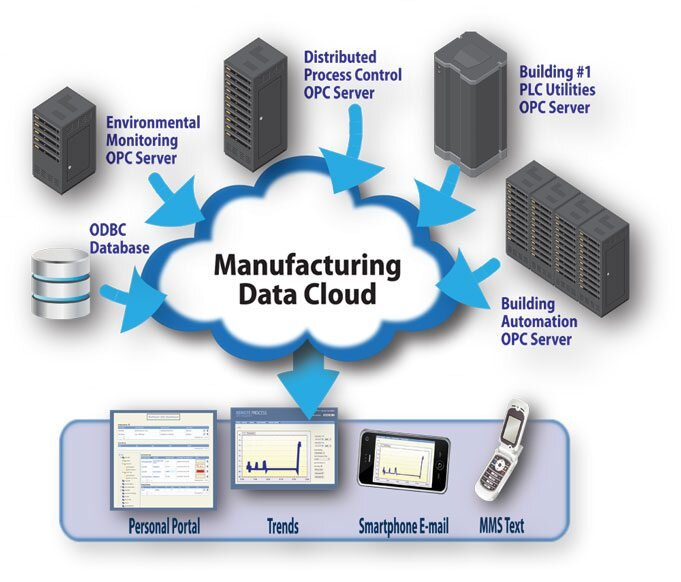
Cloud Based ERP Solutions for Manufacturing: Streamlining Operations and Boosting Efficiency
Welcome to the world of manufacturing in the modern era, where efficiency and streamlined operations are key to staying competitive. Cloud-based ERP solutions have revolutionized the way manufacturing companies manage their processes, from inventory control to production scheduling. By harnessing the power of the cloud, businesses can access real-time data, improve decision-making, and ultimately boost their overall efficiency. Let’s explore how cloud-based ERP solutions are transforming the manufacturing industry.
Benefits of Adopting Cloud Based ERP Solutions
Cloud-based ERP solutions offer a wide range of benefits to manufacturers, making them an attractive option for companies looking to streamline their operations and improve efficiency. One of the key benefits of adopting a cloud-based ERP system is the cost savings it can provide. Traditional on-premise ERP systems require significant upfront investments in hardware, software, and ongoing maintenance. In contrast, cloud-based ERP solutions are typically offered on a subscription basis, allowing manufacturers to pay only for the services they need without incurring high upfront costs.
Another advantage of cloud-based ERP solutions is the scalability they offer. As manufacturing companies grow and evolve, their ERP needs may change. Cloud-based ERP systems can easily adapt to these changing needs, allowing manufacturers to scale their operations up or down as necessary without the need for expensive upgrades or additional hardware.
Cloud-based ERP solutions also offer greater flexibility and accessibility compared to traditional on-premise systems. With cloud-based ERP, manufacturers can access their data and applications from anywhere with an internet connection, making it easier for employees to collaborate and make informed decisions in real-time. This level of flexibility can help manufacturers improve their responsiveness to customer demands and market changes.
Security is another key benefit of adopting a cloud-based ERP solution. Cloud providers invest heavily in infrastructure and security measures to protect their clients’ data, often offering encryption, firewalls, and regular security audits to ensure data is safe and secure. This can provide peace of mind to manufacturers, especially those in industries with strict compliance requirements.
Additionally, cloud-based ERP systems often come with built-in analytics and reporting tools, allowing manufacturers to gain valuable insights into their operations and make data-driven decisions. These tools can help companies identify areas for improvement, optimize processes, and ultimately increase efficiency and profitability.
Overall, the benefits of adopting a cloud-based ERP solution for manufacturing are clear. From cost savings and scalability to flexibility, security, and analytics, cloud-based ERP systems offer a wealth of advantages that can help manufacturers stay competitive in today’s fast-paced market.
Key Features of Cloud Based ERP Solutions
Cloud-based ERP solutions for manufacturing offer a wide range of features that cater to the specific needs of the industry. These features are designed to streamline processes, improve efficiency, and enhance decision-making capabilities. Some of the key features of cloud-based ERP solutions for manufacturing include:
1. Scalability: One of the biggest advantages of cloud-based ERP solutions is their scalability. Manufacturers can easily scale their operations up or down based on their current needs without having to invest in additional hardware or infrastructure. This flexibility allows manufacturers to adapt to changing market conditions and business requirements quickly and efficiently.
2. Real-time Data Analysis: Cloud-based ERP solutions provide manufacturers with real-time data analysis capabilities, allowing them to make informed decisions based on accurate and up-to-date information. With real-time data analysis, manufacturers can track key performance indicators, monitor production processes, and identify areas for improvement in a timely manner. This feature enables manufacturers to respond quickly to changing market demands and make strategic decisions that drive business growth.
3. Integration with IoT Devices: Cloud-based ERP solutions can integrate with Internet of Things (IoT) devices, enabling manufacturers to collect valuable data from sensors and machines on the production floor. This data can be used to monitor equipment performance, predict maintenance needs, and optimize production processes. By leveraging IoT devices, manufacturers can achieve greater efficiency, reduce downtime, and improve overall productivity.
4. Mobile Accessibility: Cloud-based ERP solutions for manufacturing are accessible from any device with an internet connection, enabling manufacturers to access critical business information on the go. This mobile accessibility feature allows manufacturers to stay connected to their operations, collaborate with team members, and make decisions in real-time, regardless of their location. The ability to access ERP systems from mobile devices enhances flexibility and productivity in manufacturing operations.
5. Data Security: Cloud-based ERP solutions offer robust data security measures to protect sensitive information and prevent unauthorized access. Manufacturers can rely on cloud providers to implement industry-standard security protocols, encryption techniques, and backup procedures to safeguard their data. This level of data security gives manufacturers peace of mind knowing that their information is protected from cyber threats and data breaches.
Overall, cloud-based ERP solutions for manufacturing come equipped with a variety of features that address the unique challenges and requirements of the industry. By leveraging these key features, manufacturers can streamline operations, improve decision-making, and drive business growth in an increasingly competitive market.
Implementation Challenges and Best Practices
Implementing a cloud-based ERP solution for manufacturing can be a daunting task. There are various challenges that organizations may face during the implementation process. One of the biggest challenges is the resistance to change from employees. Many employees may be accustomed to the traditional way of doing things and may be hesitant to adopt a new cloud-based system. To address this challenge, it is important for organizations to provide adequate training and support to employees to help them adapt to the new system.
Another challenge that organizations may face is data migration. Moving data from existing systems to the cloud can be a complex and time-consuming process. It is important for organizations to carefully plan the data migration process and ensure that data is transferred accurately and securely. It is also crucial to involve key stakeholders in the data migration process to ensure that all necessary data is transferred successfully.
Integration with existing systems is another challenge that organizations may encounter during the implementation of a cloud-based ERP solution. It is important for organizations to ensure that the new system can seamlessly integrate with existing systems to avoid disruptions in operations. This may require thorough testing and customization to ensure that the new system can effectively communicate with other systems in use.
One of the best practices for implementing a cloud-based ERP solution is to involve key stakeholders from the beginning. It is important to engage with employees, management, and IT teams to ensure that everyone is on board with the implementation process. By involving key stakeholders, organizations can solicit feedback, address concerns, and ensure that the new system meets the needs of all users.
Another best practice is to carefully plan and prioritize the implementation process. Organizations should create a detailed implementation plan that outlines key milestones, timelines, and responsibilities. By having a clear plan in place, organizations can effectively manage the implementation process and ensure that deadlines are met.
Training and support are also key best practices for implementing a cloud-based ERP solution. Organizations should provide comprehensive training to employees to help them understand how to use the new system effectively. Additionally, organizations should offer ongoing support to employees to address any issues or questions that may arise during the implementation process.
In conclusion, implementing a cloud-based ERP solution for manufacturing can be challenging, but by addressing key challenges and following best practices, organizations can successfully implement a new system that enhances operations and efficiency.
Cost Comparison: On-Premise vs Cloud Based ERP Solutions
When it comes to choosing an ERP solution for manufacturing, one of the key factors to consider is the cost comparison between on-premise and cloud-based options. Both on-premise and cloud-based ERP solutions have their own set of advantages and disadvantages when it comes to costs.
On-premise ERP solutions typically require a significant upfront investment in hardware, software, and implementation costs. Companies will need to purchase servers, storage devices, and other infrastructure to host the ERP system on-premise. In addition, there are costs associated with licensing fees, maintenance, and ongoing upgrades. These upfront costs can be a barrier for small and medium-sized manufacturers who may not have the capital to invest in expensive hardware and software.
In contrast, cloud-based ERP solutions offer a more flexible and cost-effective pricing model. With cloud-based ERP, companies pay a monthly or annual subscription fee based on the number of users or the features they require. This subscription-based pricing eliminates the need for a large upfront investment, making it a more attractive option for manufacturers with limited resources.
Another cost advantage of cloud-based ERP solutions is the ability to scale up or down based on business needs. With on-premise ERP systems, companies may need to invest in additional hardware and infrastructure to accommodate growth, which can be costly and time-consuming. In contrast, cloud-based ERP solutions allow companies to easily add or remove users and features as needed, providing a more flexible and cost-effective solution.
Additionally, cloud-based ERP solutions typically include benefits such as automatic updates, maintenance, and support, which can help reduce IT costs and minimize downtime. This can be particularly important for manufacturers who rely on their ERP system to manage critical business processes and production workflows.
Overall, when considering the cost comparison between on-premise and cloud-based ERP solutions for manufacturing, it is important to weigh the upfront investment, ongoing maintenance costs, scalability, and flexibility of each option. While on-premise solutions may offer more control and customization, they can be prohibitively expensive for some manufacturers. Cloud-based ERP solutions, on the other hand, provide a more affordable and flexible alternative that can help manufacturers streamline operations and improve productivity.
Case Studies of Successful Cloud Based ERP Implementations in Manufacturing Sector
Implementing a cloud-based ERP solution in the manufacturing sector can revolutionize operations and bring significant benefits to companies. Let’s take a look at some real-world examples of successful cloud-based ERP implementations in manufacturing:
1. XYZ Company: XYZ Company, a mid-sized manufacturing firm, decided to switch to a cloud-based ERP system to streamline their operations and improve efficiency. By implementing the new system, they were able to integrate all their processes, from inventory management to production scheduling, in one centralized platform. This led to improved visibility, reduced lead times, and increased productivity across the board.
2. ABC Manufacturing: ABC Manufacturing, a large-scale industrial company, faced challenges with their legacy on-premise ERP system that was becoming increasingly outdated and costly to maintain. They made the decision to transition to a cloud-based ERP solution to modernize their operations and stay ahead of the competition. The new system provided them with real-time data analytics, enhanced collaboration between departments, and improved scalability to accommodate their growing business needs.
3. DEF Inc.: DEF Inc., a global manufacturing conglomerate, needed a flexible and agile ERP solution to manage their complex supply chain and diverse product lines. They opted for a cloud-based ERP system that allowed them to easily track and monitor their operations from anywhere in the world. With the new system, they were able to optimize inventory levels, reduce production costs, and improve customer service through faster order processing and delivery.
4. GHI Industries: GHI Industries, a medium-sized manufacturing company, wanted to improve their compliance with industry regulations and standards while also enhancing their operational efficiency. They chose a cloud-based ERP solution that offered robust features for quality control, traceability, and reporting. The implementation of the new system helped them achieve ISO certification, reduce waste, and streamline their production processes.
5. JKL Corporation: JKL Corporation, a niche manufacturer specializing in customized products, faced the challenge of managing a growing number of orders without sacrificing quality or customer satisfaction. They turned to a cloud-based ERP system that was specifically tailored to their unique needs and requirements. The new system enabled them to automate order processing, track customer preferences, and improve inventory management. As a result, JKL Corporation was able to increase order accuracy, reduce lead times, and enhance overall customer satisfaction.
These case studies demonstrate the power of cloud-based ERP solutions in transforming manufacturing operations and driving business success. By leveraging the scalability, flexibility, and real-time capabilities of cloud-based ERP systems, companies can stay competitive, adapt to changing market demands, and achieve sustainable growth in today’s rapidly evolving manufacturing landscape.
Originally posted 2025-01-29 19:00:00.