Welcome, manufacturing business owners and managers! In today’s fast-paced and competitive market, staying ahead of the curve is essential for success. One way to streamline operations, boost efficiency, and drive growth is by implementing a cloud-based ERP system. Cloud-based ERP solutions offer a wide range of benefits for manufacturing businesses, from improved collaboration and real-time data access to cost savings and scalability. Let’s explore the advantages of cloud-based ERP for manufacturing businesses and how it can help take your company to the next level.
Streamlining Manufacturing Operations with Cloud-Based ERP
Cloud-based ERP software is revolutionizing the way manufacturing companies operate by providing a centralized platform for managing all aspects of the production process. By moving their ERP systems to the cloud, manufacturers can streamline operations, improve efficiency, and reduce costs. Here are some ways in which cloud-based ERP systems are helping manufacturers optimize their manufacturing operations:
1. Real-time Data Visibility:
One of the key benefits of cloud-based ERP systems is the ability to provide real-time visibility into all aspects of the manufacturing process. This means that managers and employees can access up-to-date information on production schedules, inventory levels, and order statuses from anywhere, at any time. With real-time data at their fingertips, decision-makers can make informed choices about resource allocation, production planning, and quality control. This visibility also enables manufacturers to identify potential bottlenecks, address issues quickly, and adapt to changing market conditions.
Furthermore, real-time data visibility allows for better collaboration between different departments within the organization. With cloud-based ERP systems, information is stored in a central database that can be accessed by employees across various departments. This promotes transparency, enhances communication, and fosters a culture of accountability within the organization. By breaking down departmental silos and promoting cross-functional collaboration, manufacturers can improve overall efficiency and productivity.
In addition, real-time data visibility enables manufacturers to track key performance indicators (KPIs) and monitor performance metrics in real-time. By analyzing this data, companies can identify trends, spot opportunities for improvement, and make data-driven decisions. This helps manufacturers to continuously optimize their processes, drive operational excellence, and stay ahead of the competition.
With cloud-based ERP systems, manufacturers can also easily integrate their production data with other business applications, such as customer relationship management (CRM) systems, supply chain management (SCM) software, and financial management tools. This ensures that data flows seamlessly across the organization, enabling a more holistic view of the business and facilitating better decision-making.
In conclusion, real-time data visibility provided by cloud-based ERP systems is a game-changer for manufacturers looking to streamline their operations. By having access to up-to-date information, fostering collaboration, tracking KPIs, and integrating data with other applications, manufacturers can optimize their manufacturing processes, improve efficiency, and drive business growth.
Enhancing Collaboration and Communication in Manufacturing Processes
Cloud-based ERP systems have revolutionized the way manufacturing companies collaborate and communicate across various departments and teams. With real-time data accessibility, employees can easily share information and updates on production processes, inventory levels, and customer orders. This transparency leads to improved communication among team members, reducing the chances of miscommunication and delays in the manufacturing process.
One of the key benefits of cloud-based ERP systems is the ability to centralize communication channels within the manufacturing organization. With features such as instant messaging, discussion forums, and project management tools, employees can easily collaborate on projects, share important documents, and track progress in real-time. This centralized communication platform fosters a collaborative work environment where employees can easily seek feedback, ask questions, and resolve issues quickly and efficiently.
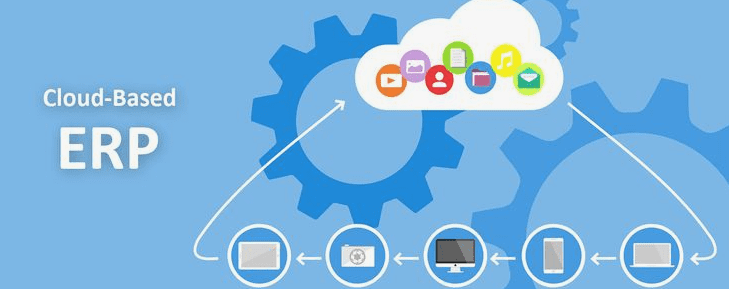
Moreover, cloud-based ERP systems offer mobile capabilities that enable employees to access critical information from anywhere, at any time. This accessibility is particularly beneficial for manufacturing companies with remote or distributed teams, as it allows employees to stay connected and informed even when they are not physically present in the office. Whether employees are on the production floor, at a customer site, or working from home, they can easily access the necessary data and communicate with team members seamlessly.
Another advantage of cloud-based ERP systems in enhancing collaboration and communication in manufacturing processes is the integration of supplier and customer portals. These portals provide a secure platform for manufacturers to communicate with their suppliers and customers, share important updates, and track orders in real-time. By enabling real-time collaboration with external stakeholders, manufacturers can streamline their supply chain processes, improve lead times, and enhance overall customer satisfaction.
Furthermore, cloud-based ERP systems offer advanced analytics and reporting capabilities that help manufacturing companies optimize their production processes and make informed decisions. By analyzing real-time data on production efficiency, resource utilization, and inventory levels, manufacturers can identify bottlenecks, forecast demand, and allocate resources effectively. This data-driven approach to decision-making not only improves operational efficiency but also enhances communication among different departments by providing a common understanding of key metrics and performance indicators.
In conclusion, cloud-based ERP systems play a vital role in enhancing collaboration and communication in manufacturing processes. By providing real-time data accessibility, centralized communication channels, mobile capabilities, supplier and customer portals, and advanced analytics, these systems empower manufacturing companies to streamline their operations, improve efficiency, and deliver high-quality products to customers. With cloud-based ERP systems, manufacturing companies can foster a culture of collaboration, innovation, and continuous improvement, leading to sustainable growth and success in today’s competitive market.
Improving Efficiency and Productivity Through Cloud-Based ERP Solutions
Cloud-based ERP manufacturing solutions offer a range of benefits that can significantly improve efficiency and productivity in your manufacturing processes. By utilizing cloud-based ERP systems, manufacturers can streamline operations, reduce costs, and make more informed business decisions.
One of the key ways that cloud-based ERP solutions improve efficiency is by centralizing data and processes. Instead of having information scattered across different systems and departments, cloud-based ERP systems bring everything together in one unified platform. This allows for real-time visibility into all aspects of your manufacturing operations, from inventory management to production scheduling.
With all data consolidated in one place, employees can easily access the information they need to perform their jobs more efficiently. This eliminates time wasted searching for data in different systems or waiting for updates from other departments. By streamlining processes and reducing manual data entry, cloud-based ERP solutions free up employees to focus on more value-added tasks, ultimately driving productivity.
Furthermore, cloud-based ERP systems offer scalability and flexibility that traditional on-premise systems cannot match. As your manufacturing operations grow and evolve, cloud-based ERP solutions can easily adapt to meet your changing needs. Whether you need to add new users, integrate new systems, or expand into new markets, cloud-based ERP solutions can scale with your business without the need for costly upgrades or downtime.
Another key advantage of cloud-based ERP solutions is the ability to access data and applications from anywhere, at any time. This flexibility allows employees to work remotely, collaborate with team members in different locations, and make critical business decisions on the go. With cloud-based ERP solutions, manufacturers can respond quickly to changing market conditions, customer demands, and production challenges, ultimately improving overall efficiency and productivity.
In conclusion, cloud-based ERP manufacturing solutions offer a powerful toolkit for improving efficiency and productivity in today’s fast-paced manufacturing environment. By centralizing data and processes, streamlining operations, and providing scalability and flexibility, cloud-based ERP solutions empower manufacturers to make smarter business decisions and drive growth. With the ability to access data and applications from anywhere, at any time, cloud-based ERP solutions enable manufacturers to stay agile and competitive in an ever-changing marketplace.
Real-Time Data Monitoring and Analysis for Manufacturing Businesses
Manufacturing businesses today are increasingly turning to cloud-based ERP systems to streamline their operations and increase efficiency. One of the key benefits of using a cloud-based ERP system is the ability to monitor and analyze real-time data. This allows manufacturers to make informed decisions quickly and adapt to changing market conditions.
Real-time data monitoring in manufacturing involves collecting data from various sources such as machines, sensors, and employees in real-time. This data is then processed and analyzed to provide insights into the performance of different processes and operations. By monitoring data in real-time, manufacturers can identify issues and bottlenecks as soon as they arise, allowing them to take immediate action to resolve them.
One of the advantages of real-time data monitoring is the ability to track key performance indicators (KPIs) as they happen. Manufacturers can set up alerts and notifications to be triggered when KPIs fall below or exceed certain thresholds, allowing them to take proactive measures to address any issues before they escalate. This can help manufacturers to improve overall efficiency and productivity, leading to cost savings and increased profitability.
Real-time data analysis is another important aspect of cloud-based ERP systems for manufacturing businesses. By analyzing real-time data, manufacturers can gain valuable insights into the factors affecting their operations, such as machine performance, material usage, and employee productivity. This allows manufacturers to optimize their processes and make informed decisions based on up-to-date information.
With cloud-based ERP systems, manufacturers can access real-time dashboards and reports that provide a comprehensive view of their operations. These dashboards can be customized to display the most relevant data for each user, allowing employees at all levels of the organization to access the information they need to make informed decisions. This real-time visibility into operations enables manufacturers to identify trends, forecast future demand, and make adjustments to their production schedules in real-time.
In conclusion, real-time data monitoring and analysis are essential components of cloud-based ERP systems for manufacturing businesses. By monitoring data in real-time and analyzing it to gain valuable insights, manufacturers can make informed decisions quickly and adapt to changing market conditions. This allows manufacturers to improve efficiency, reduce costs, and increase profitability, ultimately leading to a more competitive and successful business.
Scalability and Flexibility: Key Benefits of Cloud-Based ERP in the Manufacturing Industry
Cloud-based ERP systems offer manufacturers the scalability and flexibility needed to adapt to the ever-changing demands of the industry. With traditional ERP systems, manufacturers are often limited by the capacity and resources of their on-premise infrastructure. However, with cloud-based ERP, manufacturers can scale their operations up or down based on their current workload without the need for extensive hardware upgrades.
Scalability is a crucial aspect of any manufacturing operation, as seasonal fluctuations and unexpected trends in demand can have a significant impact on production. Cloud-based ERP systems provide manufacturers with the ability to easily adjust their resources and capacity to meet these fluctuations, ensuring that they can continue to operate efficiently even during peak periods.
Flexibility is another key benefit of cloud-based ERP in the manufacturing industry. With on-premise ERP systems, manufacturers are often limited by the capabilities of their software and hardware, making it difficult to implement new processes or technologies. Cloud-based ERP systems, on the other hand, offer manufacturers the flexibility to quickly and easily adapt their systems to meet their evolving needs.
By leveraging cloud-based ERP solutions, manufacturers can access advanced features and functionalities that can help streamline their operations and improve their overall efficiency. These systems are designed to be easily customizable, making it simple for manufacturers to add new modules or integrate third-party applications to meet their specific requirements.
Furthermore, cloud-based ERP systems offer manufacturers greater visibility and control over their operations, allowing them to make more informed decisions in real-time. By accessing data and analytics through a cloud-based platform, manufacturers can gain valuable insights into their performance, allowing them to identify areas for improvement and optimize their processes.
In conclusion, the scalability and flexibility offered by cloud-based ERP systems make them a valuable asset for manufacturers in the ever-evolving manufacturing industry. By leveraging these key benefits, manufacturers can adapt to changing demands, improve efficiency, and drive innovation in their operations.
Originally posted 2025-01-25 22:00:00.